Western Outlaw Disguise Embroidery Design Review
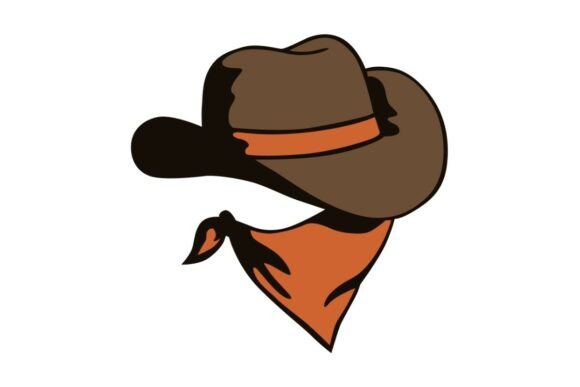
Embroidery design selection is a critical step in any project, especially when the goal is to create something that stands out while maintaining quality and usability. As an experienced designer and embroidery product reviewer, I recently evaluated Western Outlaw Disguise for use in real-world applications. This machine embroidery design features a mysterious illustration of a brown cowboy hat floating above a red bandana face mask—essentially an invisible man-style graphic that evokes the spirit of a Wild West bandit or train robber. While it sounds intriguing on paper, how does it translate into stitchable form? Let’s take a closer look.
First Impressions: Mood and Visual Personality
The first thing that struck me about Western Outlaw Disguise was its strong visual narrative. The contrast between the brown hat and the red bandana creates a bold statement without being overly complex. It has a classic Western feel but with a twist—the absence of a visible face gives it a sense of mystery, which could be perfect for projects like “Wanted” posters or themed merchandise. The layout is balanced, with the hat positioned slightly off-center, giving it movement and a sense of direction. The detail level is moderate, making it versatile enough for both simple and elaborate embroidery work.
As someone who often works with clients looking for unique, story-driven designs, this one immediately felt like it had character. But as always, looks aren’t everything. I needed to test how it would perform in various embroidery scenarios before recommending it for production.
Real-World Performance Across Projects
I tested Western Outlaw Disguise on several common embroidery substrates to gauge its adaptability. On a cotton sweatshirt, the design stitched cleanly with good definition, particularly in the edges of the hat and the bandana. For a tote bag made from a mid-weight canvas, the red bandana retained its shape well, though I noticed some slight distortion in the finer lines due to fabric tension. In general, the design performs best on medium to heavy fabrics where stitch density can be maintained without overwhelming the material.
When applied to a custom apparel piece like a long-sleeve shirt, the graphic worked surprisingly well as a front-facing emblem. The bold colors stood out even under natural lighting conditions, and the negative space (the missing face) allowed the wearer to interpret the design in their own way. That said, I found that using it as a patch design required careful consideration of placement and backing method to ensure durability after repeated wear.
For holiday gifts, such as embroidered ornaments or tea towels, the design added a fun and edgy touch. It resonated particularly well with customers who enjoy Western themes, vintage aesthetics, or anything with a hint of outlaw charm. Its simplicity also makes it suitable for baby items like onesies or bibs, provided the theme isn't too intense for younger audiences. A subtle version could even work as nursery decor if reimagined in pastel tones.
Where Caution Is Needed
While Western Outlaw Disguise has a lot going for it, there are certain situations where it might not deliver the expected results. First, if you're working with small hoop sizes, the design may lose clarity, especially around the more intricate elements of the hat and mask. I recommend confirming the minimum hoop size before starting any project.
Textured or stretchy fabrics can cause issues with stitch alignment and overall appearance. On a 100% linen tote, for example, the running stitches along the edges of the bandana became less defined. Similarly, on stretchy knits, the design stretched unevenly unless stabilized properly. Thin or dark fabrics also pose challenges; the red bandana doesn’t pop as much on black denim, and the thread coverage is insufficient on sheer materials.
If you're planning to use this design on curved surfaces like caps or hats, be prepared to adjust the positioning manually or opt for an applique-style approach. The flat nature of the design doesn’t conform easily to rounded contours without some manipulation. Also, corners and detailed areas should be inspected closely post-stitching to ensure they haven’t puckered or distorted.
Impact on Product Value and Customer Perception
One of the key factors I consider when evaluating an embroidery design is how it affects the final product's value and customer appeal. Western Outlaw Disguise adds a distinct visual flair that many crafters and boutique owners would find appealing. When used on a high-quality tote or custom sweatshirt, it elevates the item beyond just a basic print—it becomes a storytelling element.
Customers seem to respond well to designs that have a clear identity and mood. This one checks those boxes. However, because of its bold colors and thematic edge, it might not suit all demographics. It leans toward edgier tastes, so it’s important to know your audience before incorporating it into your Etsy listings or small shop products.
Stitch clarity is another concern. If the design is stitched too densely, it risks looking stiff and unnatural, especially on softer garments. Conversely, if it’s too sparse, the details might not show up as intended. Finding the right balance is essential to maintain professionalism and giftability, especially for personalized products or handmade shop items.
Designer Notes: Tips for Optimal Use
- Test on scrap fabric first: Before committing to a full batch of tote bags or aprons, stitch the design on a sample of your chosen fabric to check for clarity and durability.
- Check thread color contrast: The red bandana and brown hat stand out well together, but experiment with different thread combinations to see what works best with your fabric background.
- Review stitch density settings: Adjust the density based on fabric weight. Too dense and it will pill; too light and it won’t define the shapes properly.
- Confirm hoop size requirements: Since the design lacks specific recommended hoop sizes, make sure you’re using a hoop large enough to accommodate the entire graphic without compression.
- Inspect small details post-stitching: The outline of the hat and the texture of the bandana are delicate. A magnifying lamp can help catch imperfections early.
- Use proper stabilizer: Especially for lightweight or stretchy materials, using tear-away or cut-away stabilizers can prevent warping and misalignment.
- Consider black and white mockups: To assess whether the design holds up without color, run a test in grayscale to see how it translates visually.
- Compare light and dark fabric backgrounds: The red bandana loses impact on darker textiles. You may need to adjust the thread choice or add a shadow effect for better visibility.
- Verify licensing for commercial use: If you plan to sell finished products or digital embroidery files, confirm the licensing terms to avoid legal complications.
Handmade Presentation and Brand Consistency
In the world of handmade products and boutique branding, consistency is king. Western Outlaw Disguise offers a cohesive aesthetic that can be part of a larger collection of Wild West-themed graphics. It pairs well with other design assets like wanted signs, sheriff badges, or ghost town illustrations. For Etsy sellers or small business owners aiming to build a recognizable brand, this design could serve as a signature motif.
However, if your brand is more subdued or family-oriented, this design might not align perfectly. Its outlaw vibe is strong, so it’s best suited for shops that cater to niche markets or seasonal collections, like Halloween-themed items or Western-inspired home décor.
Buyer Engagement and Giftability
From a buyer engagement standpoint, Western Outlaw Disguise sparks curiosity. Customers are drawn to visuals that tell a story or evoke emotion, and this design definitely does that. Whether it’s a custom cap for a costume party or a pillow cover for a themed room, the design invites interaction and conversation.
Giftability is another area where this design shines. It’s eye-catching enough to stand out in a gift basket or handmade box, yet it maintains a level of sophistication that prevents it from feeling gimmicky. It could be especially effective for personalized gifts like monogrammed bandanas or custom patches for kids' backpacks, depending on how you style it.
Final Thoughts for Crafters and Embroidery Designers
Western Outlaw Disguise is a solid addition to your design toolkit, particularly for projects that benefit from a bold, thematic graphic. Its strength lies in its visual personality and the sense of adventure it brings to any embroidered piece. But don’t rush into using it without testing. Take the time to understand how it behaves on your preferred materials and what adjustments might be necessary to achieve the best outcome.
Whether you're a hobbyist crafting for personal enjoyment or a commercial embroiderer preparing for a new line of graphics, this design offers potential—but only if used thoughtfully. Keep an eye on fabric types, hoop sizes, and thread choices to ensure your finished product reflects the quality and creativity your customers expect.