Cowboy Hat Silhouette Illustration Review for Real Embroidery Projects
As an embroidery designer with years of experience, I always look at a new embroidery file with a critical eye—especially when it comes to something as iconic and versatile as the Cowboy Hat Silhouette Illustration. This design is more than just a vector graphic; it’s a visual statement that can elevate everything from custom apparel to boutique branding. In this review, I’ll walk through my thought process as if I’m preparing to use this design in a real project, like stitching it onto a personalized baby sweatshirt or printing it on a tote bag for a small shop product line.
First Impressions: Mood and Visual Personality
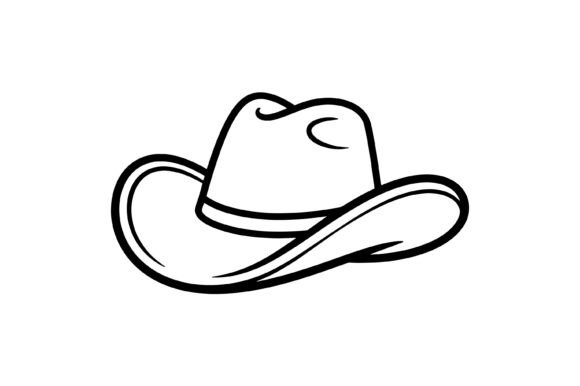
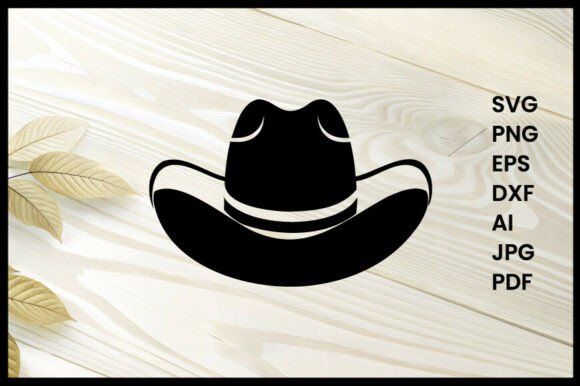
The Cowboy Hat Silhouette Illustration immediately gives off a bold, timeless vibe. It’s a classic shape rendered in black and white, which makes it feel both modern and nostalgic. The silhouette is clean but detailed enough to suggest depth without being overwhelming. There's a subtle sense of motion and character in the hat’s brim and crown, making it feel like it could be part of a larger story or theme. As an embroidery project, it has strong potential for handmade products where simplicity meets sophistication.
Its monochrome presentation allows for great flexibility in thread colors, fabric choices, and even print-on-demand applications. That said, the detail level is moderate—enough to make the design stand out, but not so intricate that it becomes difficult to stitch or loses clarity on textured surfaces.
Where This Design Naturally Fits
- Sweatshirt embroidery: The hat’s shape works well on soft, stretchy fabrics typical of knits. A satin-stitched outline could really pop here.
- Tote bag design: For a craft business or Etsy seller, placing the cowboy hat in the center of a canvas tote would instantly create a recognizable brand element.
- Baby clothes: The silhouette feels gentle enough for a personalized gift while still maintaining its distinct personality.
- Pillow covers and aprons: These are perfect examples of small shop products where a simple yet striking graphic can add charm and professionalism.
Real-Life Performance: Stitching Clarity and Project Fit
In practical terms, I’d start by downloading the digital embroidery file and testing it on scrap fabric before committing to a full project. The design seems ideal for satin stitch outlines and possibly some fill stitch inside the brim or crown, depending on how much texture you want to add. Because it’s a vector illustration, the lines are sharp and consistent, which helps maintain stitch density and prevents distortion during digitization.
If I were creating a custom item like a western-themed embroidered patch for a client, I’d consider using contrasting thread colors—like red or blue—to highlight the hat against lighter backgrounds. But since the original is in black and white, it also works beautifully with single-color thread schemes, especially when paired with natural cotton or linen fabrics.
I’ve found that silhouettes like this often perform better on light-colored fabrics because they provide a clear contrast. However, I’d recommend experimenting with different backgrounds—light gray, cream, or even pastels—to see how the thread colors interact and how the visual appeal shifts. Darker fabrics might require additional stabilizer or a thinner thread weight to keep the design visible and crisp.
Project-Specific Insights
Let’s say I’m working on a holiday gift line for a local craft fair. The cowboy hat could be embroidered onto felt ornaments or printed as a printable mockup for digital product previews. Its versatility ensures it fits into multiple design assets, from logos to patterns, while keeping a cohesive style across all items.
For an apparel decorator, the hat could be used in a sweatshirt embroidery layout alongside other western motifs—like boots or horses—or simply on its own as a minimalist graphic. On a baby outfit, such as a onesie or romper, the silhouette adds a touch of fun without being too loud. It’s a safe bet for parents who want something cute but not overly childish.
When considering commercial embroidery, I’d assess whether the design holds up under frequent washing, especially for items like tea towels or aprons. The lack of tiny lettering or extremely dense stitch areas is a plus—it should remain intact and legible after repeated use.
Use With Caution: Limitations and Considerations
While the Cowboy Hat Silhouette Illustration is a solid choice for many projects, there are situations where it may need extra attention:
- Small hoop sizes: The hat’s proportions might get lost in smaller hoops. Always confirm the hoop size required before starting your project.
- Textured or stretchy fabrics: The design’s clean lines may become distorted if not properly supported with the right stabilizer.
- Dark fabric backgrounds: Black thread on dark fabric won’t show well. Consider using white or cream thread for better visibility.
- Curved surfaces: If you’re planning to stitch the hat onto a cap or curved surface, adjust the placement carefully to avoid warping.
- Detailed corners : While the design is generally smooth, any sharp angles may require manual tweaking in your embroidery software to ensure smooth transitions.
Testing Before Production
Before moving into mass production or sending out finished products, I always test the design on sample materials. Here’s what I’d do:
- Embroider it on a piece of muslin to check stitch density and how it lays flat.
- Try it on a variety of fabric textures—cotton, flannel, felt—to see how the silhouette reacts.
- Create a printable mockup for digital sales to visualize how it looks on different items.
- Compare results on both light and dark backgrounds to ensure visual consistency.
Customer Reaction and Market Potential
From a market perspective, the Cowboy Hat Silhouette Illustration has broad appeal. It’s gender-neutral, age-agnostic, and thematically flexible. Whether you're selling custom apparel for a niche audience or creating holiday gifts for a wider market, this design can help establish a memorable visual identity.
As an Etsy seller, I’d love to see this used in a set of design assets—think matching mugs, shirts, and patches. It adds a professional touch to handmade products without feeling overdesigned. Customers tend to appreciate graphics that are both unique and easy to recognize, and this one definitely checks those boxes.
Brand Consistency and Recognition
If you're building a brand around western or rustic themes, this illustration could serve as a cornerstone for your branding strategy. The simplicity of the silhouette makes it scalable and repeatable across multiple formats, helping maintain brand consistency and improve product recognition. Over time, customers will associate the hat with your quality and style.
Designer Notes: Best Practices for Use
To get the most out of this machine embroidery design, follow these key steps:
- Test on scrap fabric first: Especially important for beginners or if you’re using it on a new material.
- Review stitch direction: Ensure that running stitches don’t cause puckering or distortion, particularly on delicate textiles.
- Confirm licensing: If you plan to sell finished products or digital files, always verify the license type included with the digital embroidery file.
- Inspect small details: Though the design isn’t ultra-detailed, subtle curves and edges should be checked for stitch accuracy.
- Check fabric texture compatibility: Some designs work better on smoother surfaces, while others adapt well to burlap or denim.
Thread and Fabric Tips
Since the design is in black and white, it plays nicely with a range of thread types. I’d recommend using rayon or metallic threads for added sheen if the fabric allows. For handmade shop owners, blending this with other crafts like wood-burned accents or leather trims could create a layered, artisanal effect.
On thin or stretchy fabrics, like those used in baby clothes or activewear, I’d advise using a tear-away or cut-away stabilizer to prevent stretching or distortion. Also, avoid over-stitching in dense areas to reduce the risk of puckering or breaking the fabric.
Final Thoughts: Practical Value for Makers and Sellers
The Cowboy Hat Silhouette Illustration is a reliable addition to any embroiderer’s library. It’s adaptable, visually appealing, and doesn’t demand excessive technical skill to execute well. Whether you're a hobbyist looking to personalize gifts or a creative entrepreneur aiming to build a cohesive product line, this design brings a sense of authenticity and charm to your graphics collection.
That said, every project is unique. Always take time to evaluate how the design interacts with your chosen fabric, thread, and overall aesthetic. When used correctly, the cowboy hat can become a signature element in your craft business, enhancing the professionalism and giftability of your offerings.
So go ahead—download the vector illustration, run a few tests, and let the Cowboy Hat Silhouette Illustration speak for itself in your next embroidery project.